
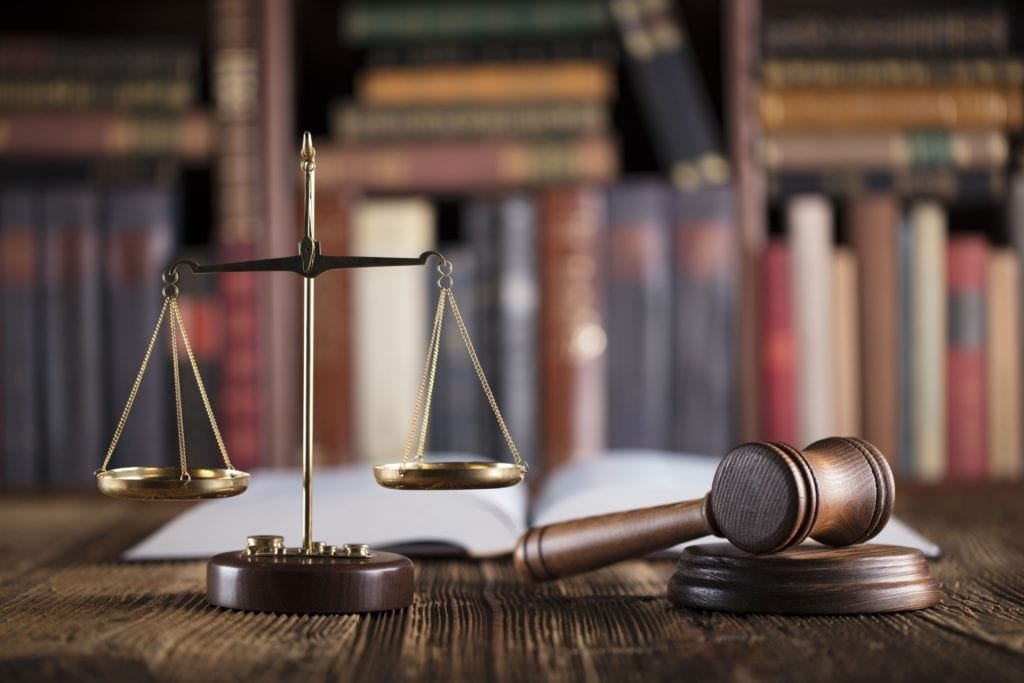
Society/Law plays a powerful role in our daily lives, and it guides how people act, solve problems, and protect their rights. From the moment you wake up, Society/Law shapes your world, because it sets rules for schools, roads, businesses, and even families. Although many people think laws are only for courts, Society/Law actually touches simple things like buying food, using the internet, or driving a car. Therefore, when we understand Society/Law, we understand how our community works. In this article, you will learn what Society/Law means, why it matters, and how it protects people while keeping order in a fair way.
What Is Society/Law and Why Does It Matter
Society/Law refers to the system of rules and values that guide how people live together, and it connects social behavior with legal rules. In simple words, society is the group of people who live together, while law is the set of rules they agree to follow. When these two ideas join, Society/Law shows how rules grow from social needs and how laws shape behavior. For example, people value safety, so laws against theft and violence exist. As a result, Society/Law helps people feel safe, respected, and protected. Without Society/Law, communities would face confusion and conflict, because there would be no shared system to solve problems.
The History of Society/Law in Human Civilization
Throughout history, Society/Law has changed as societies grew and became more complex. In early tribes, leaders made simple rules to protect members and settle disputes. Later, ancient civilizations like Rome and Greece created written laws so everyone could know the rules. Because people wanted fairness, they demanded clear legal systems. Over time, kings and governments developed courts and legal codes. Therefore, Society/Law evolved with human progress. Today, modern countries have detailed legal systems, yet the main goal remains the same: protect people and keep order.
How Society/Law Protects Individual Rights
Society/Law protects individual rights, and it ensures that each person receives fair treatment. For example, most countries protect freedom of speech, religion, and privacy. Because people value dignity and equality, laws stop discrimination and unfair actions. In addition, courts allow people to defend themselves when someone harms them. As a result, Society/Law gives power to ordinary citizens, not just leaders. Although no system is perfect, legal protections help reduce abuse and injustice.
The Role of Society/Law in Maintaining Order
Every community needs order, and Society/Law creates that order through clear rules and consequences. When drivers follow traffic laws, roads stay safer. When businesses follow regulations, customers receive fair service. Therefore, rules prevent chaos and protect public safety. If someone breaks a rule, penalties act as a warning to others. Because of this system, most people choose to follow laws. Society/Law works best when people understand the rules and respect them.
Society/Law and Social Change
Society/Law does not stay the same forever, because society itself keeps changing. For example, in the past, many groups did not have equal rights. However, as people demanded justice, laws changed to support equality. Civil rights movements, women’s rights movements, and labor rights campaigns all influenced legal reforms. Therefore, Society/Law grows with social awareness. When values shift, lawmakers update rules to match new beliefs. This connection shows that Society/Law reflects what people think is fair and right.
The Connection Between Society/Law and Morality
Morality and Society/Law often work together, yet they are not always identical. Morality refers to personal beliefs about right and wrong, while law refers to official rules. Sometimes laws reflect moral values, such as rules against violence. However, some moral choices remain personal and not regulated by law. Because societies differ, moral views may change over time. As a result, Society/Law balances personal freedom with social responsibility.
Society/Law in Schools and Education
Schools also follow Society/Law principles, and they create rules to protect students and teachers. Education laws ensure that children receive access to learning. Anti-bullying policies protect students from harm. In addition, privacy laws protect student records. Therefore, Society/Law supports safe learning environments. When schools apply fair rules, students learn respect and responsibility.
Society/Law and Technology
Technology changes quickly, and Society/Law must adapt to keep up. For example, the internet created new challenges like cybercrime and data privacy issues. Because personal information moves online, governments create laws to protect users. Social media platforms must follow regulations to prevent harm. As technology grows, Society/Law updates rules to protect people in digital spaces. This balance allows innovation while protecting rights.
Society/Law and Business Practices
Businesses operate under Society/Law, and they must follow rules that protect workers and customers. Labor laws set fair wages and safe working conditions. Consumer protection laws prevent fraud and unsafe products. Therefore, Society/Law builds trust between companies and communities. When businesses respect legal rules, customers feel secure. Although some companies may try to break rules, legal systems exist to correct wrongdoing.
Society/Law and Family Life
Family life also connects closely with Society/Law, because laws regulate marriage, adoption, and child protection. These laws protect children’s welfare and ensure fair treatment in family matters. Divorce laws provide legal solutions when relationships end. Therefore, Society/Law helps families solve conflicts peacefully. By setting clear guidelines, legal systems reduce emotional and financial stress.
The Court System in Society/Law
Courts play a key role in Society/Law, because they interpret rules and resolve disputes. Judges listen to evidence and apply legal principles fairly. Lawyers present arguments to protect their clients’ rights. Because courts operate under clear procedures, decisions aim to remain balanced and just. Society/Law depends on an independent judiciary to maintain trust.
Society/Law and Global Cooperation
Today, Society/Law goes beyond national borders, since countries work together on global issues. International agreements address climate change, trade, and human rights. Although each nation has its own laws, global cooperation helps solve shared problems. Therefore, Society/Law extends to international courts and treaties. This cooperation supports peace and mutual respect among nations.
Challenges Facing Society/Law Today
Despite its importance, Society/Law faces many challenges. Corruption, inequality, and political pressure can weaken legal systems. In some regions, access to justice remains limited. Because societies differ in resources and culture, legal systems vary widely. However, many communities continue working toward stronger and fairer institutions. Society/Law improves when citizens stay informed and active.
Why Understanding Society/Law Empowers Citizens
When people understand Society/Law, they feel confident in protecting their rights. Knowledge helps citizens vote wisely and hold leaders accountable. In addition, awareness prevents people from falling victim to scams or unfair treatment. Therefore, education about Society/Law strengthens democracy. Even young students benefit from learning basic legal principles.
Society/Law and Community Responsibility
Society/Law works best when individuals act responsibly. Although laws exist, communities thrive when people respect others voluntarily. For example, helping neighbors and following rules without force builds trust. Therefore, Society/Law depends not only on punishment but also on cooperation. When citizens value fairness, legal systems function smoothly.
The Future of Society/Law
Looking ahead, Society/Law will continue evolving with social change and technology. Artificial intelligence, climate challenges, and global trade will create new legal questions. However, the core goal will remain constant: protect rights and maintain order. Because societies grow more connected, cooperation will become even more important. Society/Law must stay flexible while preserving justice.
Read more: Циркуляционный насос – як працює, види та поради щодо вибору ефективного обладнання
Conclusion
Society/Law shapes every part of life, from schools and businesses to families and governments. Although it may seem complex, its main purpose is simple: protect people and keep communities safe. Because society changes over time, laws must adapt as well. Therefore, when we learn about Society/Law, we gain power to improve our world. By respecting rules, staying informed, and supporting fairness, each person strengthens Society/Law for future generations.
