
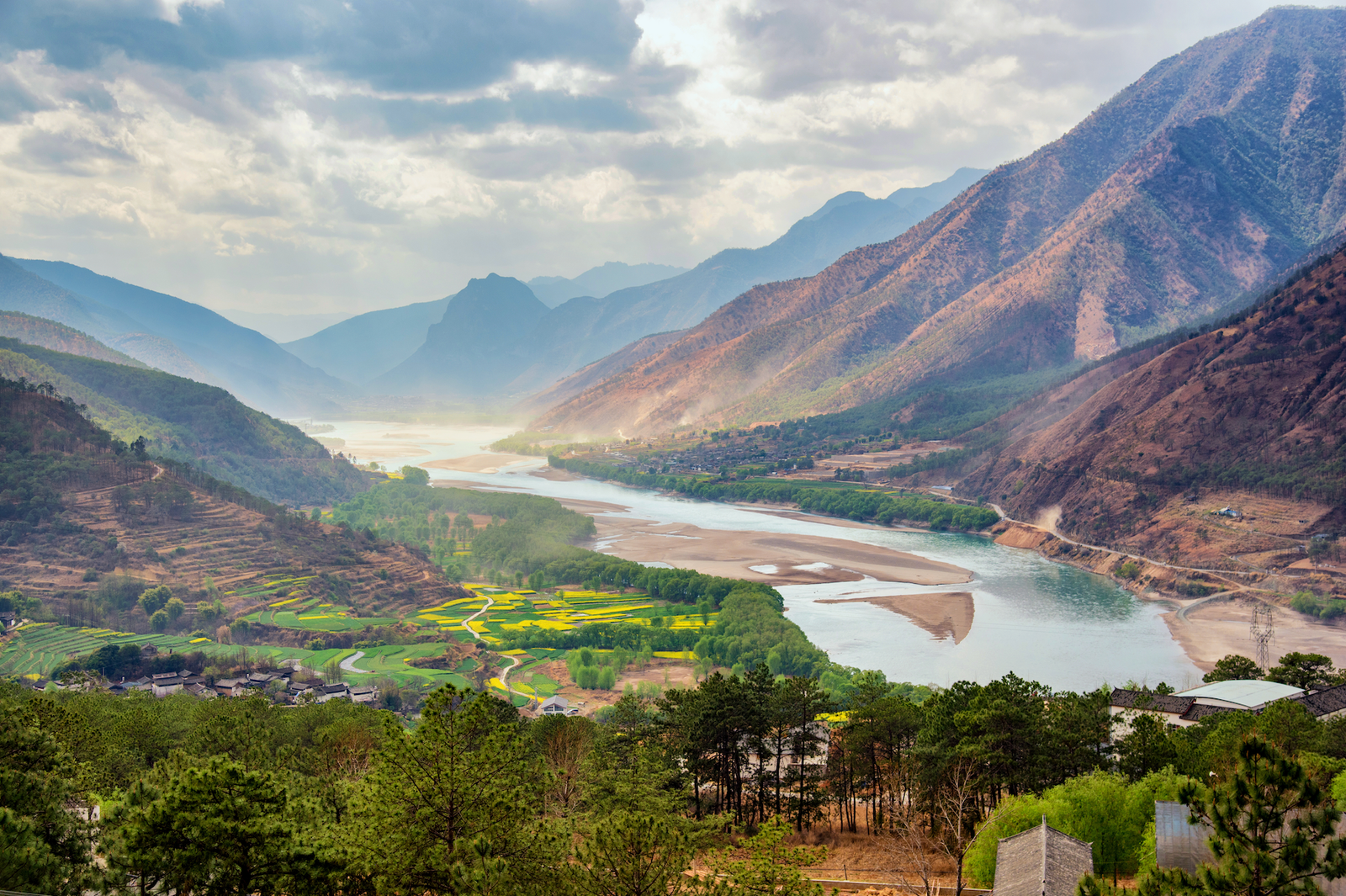
Regional/South America is one of the most exciting places on Earth, and it offers a mix of culture, nature, history, and adventure that feels truly magical. From the Amazon rainforest to the Andes mountains, and from sunny beaches to busy cities, Regional/South America gives travelers endless reasons to explore. Because the continent is so large and diverse, every country feels different, yet they all share a warm and lively spirit. In this complete guide, you will learn about the best places to visit, the food to taste, the wildlife to see, and the cultures that make Regional/South America so special.
Why Regional/South America Is So Unique
Regional/South America stands out because it has many climates, landscapes, and cultures in one region. For example, you can walk through a hot rainforest in Brazil and, at the same time, find snowy peaks in Chile. Although the countries share a continent, each one has its own traditions, music, and language style. Most people speak Spanish, while Brazil speaks Portuguese, and because of this mix, travelers can enjoy a rich cultural experience. Moreover, the history of Regional/South America includes ancient civilizations, colonial times, and modern growth, so visitors can learn something new at every stop.
Geography of Regional/South America
Regional/South America covers a huge area, and it includes mountains, jungles, deserts, rivers, and beaches. The Andes Mountains run along the western side, and they form the longest mountain range in the world. Meanwhile, the Amazon River flows through several countries, and it supports the largest rainforest on Earth. In addition, the Atacama Desert in Chile is one of the driest places on the planet, while Patagonia in Argentina and Chile offers glaciers and icy winds. Because of this wide range of geography, Regional/South America feels like many worlds in one.
Countries That Shape Regional/South America
Regional/South America includes 12 countries, and each one adds something special to the region. Brazil is the largest country, and it is famous for the Amazon and Carnival. Argentina offers tango music and wide open plains. Peru attracts visitors with ancient ruins and mountain cities. Colombia shines with colorful streets and coffee farms. Chile stretches along the coast and offers deserts and glaciers. Ecuador, Bolivia, Paraguay, Uruguay, Venezuela, Guyana, and Suriname also bring their own cultures and traditions. Therefore, Regional/South America feels diverse and exciting wherever you go.
Famous Landmarks in Regional/South America
Regional/South America has many famous landmarks that people dream about visiting. Machu Picchu in Peru sits high in the Andes, and it shows the power of the ancient Inca Empire. Christ the Redeemer in Rio de Janeiro stands tall above the city, and it has become a global symbol of Brazil. Iguazu Falls, which lie between Brazil and Argentina, roar with powerful waterfalls that stretch across the jungle. In the south, Patagonia offers bright blue glaciers and wild landscapes. Because of these landmarks, Regional/South America often appears on travel bucket lists around the world.
Culture and Traditions in Regional/South America
Culture in Regional/South America feels alive and colorful, and it connects people through music, dance, and festivals. For example, samba music fills the streets during Carnival in Brazil, while tango dancers move with passion in Argentina. In Peru and Bolivia, traditional clothing shows bright colors and handmade patterns. Family life also plays an important role, and people often gather for big meals and celebrations. Since many cultures mix Indigenous, European, and African roots, Regional/South America offers a rich blend of traditions that feel both old and new.
Food and Flavors of Regional/South America
Food in Regional/South America tastes fresh, bold, and full of flavor. In Brazil, people enjoy feijoada, a hearty bean and meat dish. In Argentina, grilled beef called asado brings families together. Peru is famous for ceviche, which uses fresh fish and citrus. Meanwhile, Colombia offers arepas, and Chile serves seafood along its long coast. Because crops grow well in many climates, fruits like mango, papaya, and passion fruit taste sweet and juicy. As a result, Regional/South America delights visitors not only with sights but also with delicious meals.
Wildlife and Nature in Regional/South America
Regional/South America is home to some of the world’s most amazing animals, and many species live only here. In the Amazon rainforest, jaguars move quietly through the trees, and colorful parrots fly above. High in the Andes, condors glide across the sky, while llamas walk along mountain paths. The Galápagos Islands near Ecuador protect giant tortoises and rare birds. Because many ecosystems exist side by side, Regional/South America supports rich biodiversity that attracts nature lovers from around the world.
History of Regional/South America
The history of Regional/South America stretches back thousands of years, and ancient civilizations built cities long before Europeans arrived. The Inca Empire controlled large areas of the Andes, and they created strong roads and stone buildings. Later, Spanish and Portuguese explorers arrived, and they changed the region through colonization. As time passed, countries fought for independence, and leaders like Simón Bolívar helped shape new nations. Therefore, Regional/South America carries layers of history that still influence life today.
Cities to Explore in Regional/South America
Cities in Regional/South America feel lively, creative, and full of energy. Rio de Janeiro offers beaches and music, while Buenos Aires mixes European style with Latin passion. Lima combines ancient ruins with modern restaurants. Bogotá sits high in the mountains and shows colorful street art. Santiago offers clean streets and views of snowy peaks. Because cities in Regional/South America blend history with modern life, visitors can enjoy museums, parks, markets, and nightlife all in one place.
Adventure Travel in Regional/South America
Regional/South America attracts adventure seekers because it offers hiking, climbing, rafting, and surfing. Travelers hike the Inca Trail to reach Machu Picchu, and they climb volcanoes in Ecuador. Others explore the Amazon by boat, while some surf along the coasts of Peru and Brazil. In Patagonia, hikers walk through wind-swept trails and see bright glaciers. Since the region includes mountains, rivers, forests, and oceans, Regional/South America feels like a playground for outdoor lovers.
Economy and Growth in Regional/South America
Regional/South America has growing economies, and many countries rely on natural resources, farming, and tourism. Brazil exports coffee and soybeans, while Chile produces copper. Argentina grows beef and grains, and Colombia exports coffee and flowers. In addition, tourism brings income because visitors come to see nature and culture. Although challenges exist, many cities continue to grow and improve. Therefore, Regional/South America shows both opportunity and change in its economic path.
Education and Innovation in Regional/South America
Education systems across Regional/South America continue to develop, and many universities attract students from around the world. Countries like Brazil, Argentina, and Chile invest in research and technology. Moreover, young entrepreneurs start businesses in technology, agriculture, and renewable energy. Because the region has a young population, innovation grows quickly. As a result, Regional/South America moves forward while keeping strong cultural roots.
Travel Tips for Visiting Regional/South America
If you plan to visit Regional/South America, you should prepare for different climates and cultures. First, check the weather because seasons change between north and south. Next, learn a few Spanish or Portuguese phrases, and people will appreciate your effort. Also, try local food and respect traditions. Since distances can be large, plan flights and buses in advance. Therefore, with smart planning, your journey through Regional/South America will feel smooth and rewarding.
Best Time to Visit Regional/South America
The best time to visit Regional/South America depends on where you want to go. For example, June to August works well for visiting the Andes because the skies stay clear. Meanwhile, December to March feels perfect for beaches in Brazil. If you want to explore Patagonia, summer months offer milder weather. Because climates vary widely, travelers should match their plans with the season. In this way, Regional/South America can be enjoyed all year long.
The Future of Regional/South America
Regional/South America faces challenges, yet it also holds great promise. Countries work to protect rainforests and wildlife, and many people support sustainable tourism. At the same time, cities grow and modern technology spreads quickly. Young leaders and entrepreneurs shape new ideas for the future. Because the region blends history, culture, and natural beauty, Regional/South America will likely remain important on the global stage.
Read more: Кишечная палочка – причини, симптоми, лікування та профілактика інфекції
Conclusion: Discover the Heart of Regional/South America
Regional/South America offers more than just beautiful views, because it shares stories, flavors, music, and traditions that touch the heart. Although each country feels different, they all connect through energy and warmth. From ancient ruins to modern cities, and from wild jungles to icy mountains, Regional/South America invites travelers to explore and learn. Therefore, if you seek adventure, culture, and natural beauty, Regional/South America may become your next unforgettable journey.
